
घोषा - ऋग्वेद के दशम मण्डल के 36 और 40वें सूक्तों की दृष्टा
Ghosha - Seer of the 36th and 40th hymns of the tenth chapter of the Rigveda.
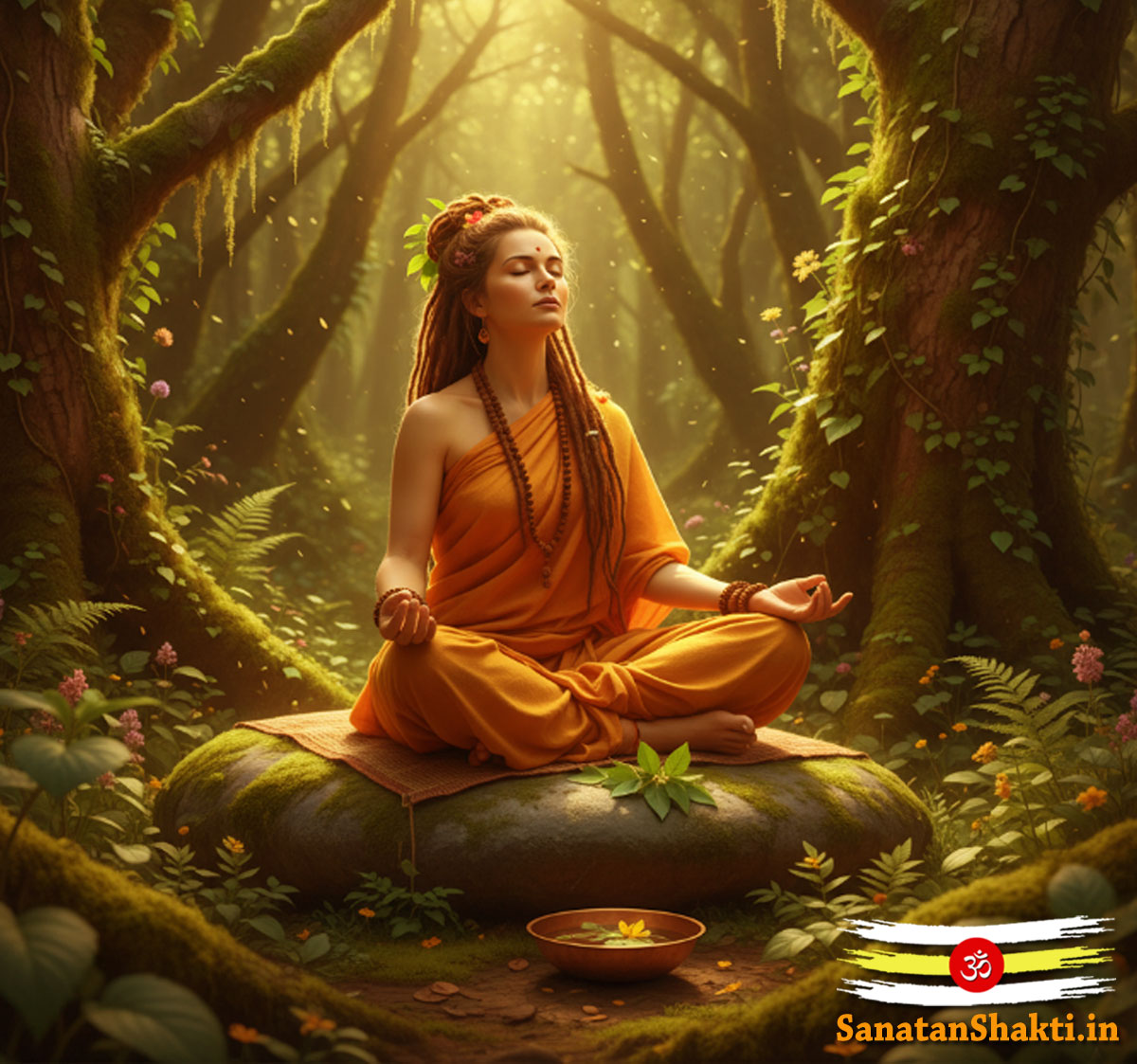
आलेख - साधक प्रभात (Sadhak Prabhat)
घोषा - ऋग्वेद के दशम मण्डल के 36 और 40वें सूक्तों की दृष्टा
घोषा सायणाचार्य के अनुसार, कुक्षिवान मुनि की कन्या थी। इसके चाचा का नाम दीर्घश्रवा था। कोढ़ की बीमारी होने के कारण इसका किसी के साथ विवाह नहीं हुआ था। परन्तु देवताओं के चिकित्सक वैद्यराज अश्विनीकुमार की कृपा से घोषा का यह रोग दूर हो गया। तब उसका विवाह कर दिया गया ।
घोषा पिता के समान ही विद्वान् और सुप्रसिद्ध थी। इतना ही नहीं, इसने अपनी विद्वत्ता से अपने पिता का मुख उज्ज्वल किया था । ऋग्वेद के दशम मण्डल के 36 और 40वें सूक्तों की दृष्टा यही है। स्वयं 'घोपा' नाम भी अर्थसूचक है। ब्रह्मचारिणी कन्या घोपा कहलाती है। जो वेदों का अध्ययन कर ईश्वर-सम्बन्धी ज्ञान की सर्वत्र घोषणा करे, उसका सर्वत्र प्रचार करे, उसे घोषा कहा जाता है।
जिन दो सूक्तों का ज्ञान घोपा को हुआ था, उनमें कुमारी कन्या के वेदाध्ययन के समय से लेकर गृहस्थाश्रम में प्रवेश करते समय तक के समस्त कर्तव्यों का उल्लेख है। विदुषी ब्रह्मचारिणी ही ये उपदेश अपनी बहनों को अच्छी तरह दे सकती है। इसीलिए ईश्वर ने, एक प्रचार करवाया है। इन ब्रह्मचारिणो विदुपी द्वारा ही इन सूक्तों का सूक्तों का संक्षिप्त सार इस प्रकार है :--
"हे अश्विनीकुमार ' आपका जो रथ विचारशील और सुगठित है, जो हविष्यमान अर्थात् कर्म-परिणत ज्ञान-विज्ञान-सम्पन्न उद्यमी लोगो द्वारा आदर करने योग्य है, वह रात-दिन हमारे घर में रहे। इसके लिए हम उपासिकायें आदर-पूर्वक आपकी प्रार्थना करती है। जिस प्रकार हम पिता का नाम आदर-पूर्वक लेती है उसी प्रकार आपके रथ को भी पुकारती है। जो नर-नारी पितृ नाम की तरह समय-देव का आदर करते है, वे सदा सुखी होते है ।
हे अश्विनीकुमार। आप हममे मधुर अर्थात् मीठे वचन बोलने की प्रेरणा करे । हमारे कार्यों को पूरा करे। हममे विविध प्रकार की बुद्धि उत्पन्न करे। हम उपासिकाथ सच्चे और मीठे बचन, कर्म की पूर्णता तथा विविध प्रकार की बुद्धि - इन तीन बातो की कामना करती है, आप पूर्ण कीजिए । हमे अति-प्रशसित धन का सौभाग्य दीजिए । प्रिय सोम की तरह हमें ज्ञान-विज्ञान तथा धन-सम्पन्न पुरुषों में प्रिय बनाइए ।
आप सब प्रकार के कपट से रहित, असहाय और असमर्थ पुरुषों के ऐश्वर्य है। भूखे, दीन, अन्धे और दुबले-पतले पुरुषों के आप रक्षक है। हे असत्य-रहित देव आप ही नाना प्रकार के क्लेश एव दुखों से पीड़ित रोगियो के वैद्य है ।
हे अश्विनीकुमार । आपने वृद्ध च्यवन को पुन' जवान बना दिया । आपने तुग्रपुत्र भुज्य को समुद्र के अथाह जल में से बचा लिया था । हे देव । आपके ये सब कृत्य यज्ञों में बखान किये जाने योग्य है।
हे अश्विनीकुमार ! मैं आपकी इन पुरानी वीरताओं की गाथा जन-समाज को सुनाती हूँ। आप सबके चिकित्सक है और सब जगह सुख पहुँचानेवाले है, यह बात भी मैं सबको बतलाती हूँ।
रक्षा के लिए आपकी स्तुति करती हूँ। हे असत्य-रहित हमे ऐसे उपाय सुझाइए कि हमारे शत्रु भी हमारे प्रति श्रद्धा रखें ।
हे अश्विनीकुमार । मैं आपको पुकार कर कहती हूँ, मेरी बात सुनिए । जिस प्रकार माता-पिता अपनी सन्तान को शिक्षा देते है उसी तरह आप मुझे शिक्षा दीजिए। मै असहाय, बन्धु-रहित हूँ; मुझमें बुद्धि भी नहीं । अत: मुझमें किसी भी तरह की निकृष्ट मति उत्पन्न हो तो उसके उत्पन्न होने के पहले ही आप उसका नाश करदें ।
आपने वृद्धावस्था को प्राप्त, ब्राह्मण-वेषधारी, कलि को फिर जवान बना दिया था । इससे स्पष्ट है कि समय की गति पहचाननेवाले आदमी नीची अवस्था से ऊँची अवस्था में पहुँच सकते है।
हे देदीप्यमान। अदित अदीन' स्वाहावान्। स्तोत्रयुक्त मार्ग-द्वय। आप जिस पुरुष को पत्नी-सहित अग्रगामी रथवाला बनाते है, अर्थात् आपकी कृपा से जो रथ पर बैठकर पत्नी-सहित आगे-आगे जाता है, उसे कही कोई पाप नही लगता, न उसे कोई भय या डर सताता है।
हे अश्विनीकुमार ' आपके जिस रथ को देवता बनाते है, जिसके योग से चन्द्रलोक की कन्या उषा और सूर्य के सुन्दर पुत्र रात-दिन उत्पन्न होते हैं, मन के वेगवाले उस रथ पर बैठकर आप मेरे पास आईए।
जिस प्रकार कुशल कारीगर रथ बनाता है उसी प्रकार आपके लिए मैं यह प्रार्थना बनाती हूँ और उसे सुन्दर एवं संस्कार-युक्त करती हूँ। जिस प्रकार विवाह-काल में कन्या को वस्त्राभूषण पहनाकर जवांई के पास ले जाते है, उसी तरह मैं यह स्तुति अर्थात् प्रार्थना भी आपके पास पहुँचाती हूँ। फिर जिस प्रकार शुभ कर्म का विस्तार करनेवाले पुत्र को माता-पिता अच्छी तरह पालन-पोषण करबड़ा करते है उसी तरह नित्य मै इस स्तोत्र को धारण करती हूँ।"
ब्रह्मचारिणी कन्याओं के लिए इनकी यह प्रार्थना है :-
"हे नेता अश्विनीकुमार ! आपके रथ को कहा और कैसे यजमान यज्ञ-रूप कर्म में अभ्युदय के लिए बुद्धि-पूर्वक प्रतिभूषित करते है ? आपका रथ सर्वत्र-विहारी, दीप्तिमान्, प्रातर्गन्ता, सर्वत्र-व्यापक और जनता को दिन प्रतिदिन धन-सम्पत्ति देनेवाला है ।
हे अश्विनीकुमार' रात्रि को आप कहाँ रहते है और दिन मे कहाँ रहते है ? आप विश्राम कहाँ करते है ? हे शिशु-रक्षक अश्विनीकुमार ! जिस प्रकार विधवा स्त्री अपने देवर की और पति-परायणा स्त्री स्वामी की सेवा करती है, उसी प्रकार आपको यज्ञ-भूमि में बैठाकर आपकी सेवा कौन करता है ?
जिस प्रकार माता-पिता को सन्तान सुन्दर वाणी से प्रसन्न करती है, उसी प्रकार हे अश्विनीद्वय ! आपका भी प्रातःकाल ही सुन्दर स्तोत्र से सत्कार किया जाता है। आप यजमान के दोषों का नाश कैसे करते है ?
हे नायक अश्विनीकुमार। जिस प्रकार शिकारी बड़े बड़े सिंहों को तलाश कर बुलवाते हैं, उसी प्रकार हम ब्रह्मचारिणी कन्यायें रात-दिन भक्ति-प्रेम-रूप हविष्य द्वारा आपका आवाहन करती है। हे जगन्नायक ! सब कोई आपको हीं समय-समय पर आहूति देती है। आप ही शुभ कर्म के पति है; आप मनुष्य जाति के लिए अन्न उत्पन्न करनेवाले हैं ।
मै राज्यकन्या हूँ और वेद की घोषणा और वेद का सन्देश सर्वत्र पहुँचानेवाली स्तुति-पाठिका हूँ। मै चारों तरफ घूम-फिर कर आपकी ही कथा गाती हूँ। विद्वानों से आपके विषय मे चर्चा करती हूँ। आप रात-दिन मेरे पास रहे, अवश्य मेरे ही पास रहे; मेरे इन इन्द्रियरूपी घोड़ो से जुते हुए शरीर-रूपी रथ-सहित मनोरूप अश्व का आप दमन करे ।
हे अश्विनीकुमार । आपकी कृपा से ऐसा हो कि जब कोई ब्रह्म-वादिनी ब्रह्मचारिणी स्त्री-लक्षणों से युक्त और सौभाग्यशाली होकर विवाह की इच्छा करे तब उसे कमनीय, सुन्दर' और युवा वर प्राप्त हो । वह वर कैसा हो ? पुरुषार्थ करने से जिसके घर में स्नेह, माधुर्य, सौन्दर्य आदि का वास हो और गेहूँ, जौ आदि विविध प्रकार के अन्न उत्पन्न होते हो, जिसके यहाँ दया, परोपकार आदि गुण नीचे बहनेवाली नदी की तरह बहते हो और जो रोगादि से रहित हो । स्त्री को पूर्ण यौवनवाला सर्वगुण-सम्पन्न वर प्राप्त हो ।"
इसके बाद के सूक्त में वर के गुणों का इस प्रकार वर्णन हैः-
"जो मनुष्य स्त्री की प्राण-रक्षा के लिए शक्ति-भर प्रयत्न करे, स्त्रियो को यज्ञ-कार्य में नियुक्त करे, अपनी लम्बी भुजाओं से प्रिया का आलिंगन करे, सुन्दर सन्तान उत्पन्न कर पितृ-यज्ञ मे सलग्न करे, ऐसे पति का आलिंगन करने से स्त्रियाँ सुख पाती है। इसलिए हे सोमदेव ऐसे गुणवाला वर ब्रह्मचारिणी को प्राप्त हो ।
हे अश्विनीकुमार, युवती के घर में युवा के निवास करने से, अर्थात् युवा स्वामी और युवती स्त्री के परस्पर सहवास से, जो सुख मिलता है उस सुख के विषय मे ब्रह्मचारिणी कन्याये कुछ नहीं जानती। आप हमे वह विषय समझाइए, क्योंकि अब हम स्त्री पर प्रेम रखनेवाले, बलवान् और वीर्यवान् पति के ही घर जाने की इच्छा करती है।
हे दर्शनीय ! हे शुभस्पते। हे अश्विनीकुमार ! आप आज कहां है और किस जनता में आमोद कर रहे है ? कैसा पुरुष आपको नियत करता है और कैसे ब्राह्मण एवं यजमान के घर आप जाते है ?"
इस प्रकार के सरल पर सुन्दर भावयुक्त स्तोत्रों में घोषा ने सुनृत (सत्य) वाणी, शुभ कर्म, प्रचार-बुद्धि और सोम की तरह पति के प्रेम के लिए प्रार्थना की है। शुभ कर्म करने की स्त्री जाति में बहुत अधिक शक्ति है। धर्मानुष्ठान, दया, आस्तिकता, अक्रूरत्ता तथा निज-धर्म-परायणता आदि गुणों से स्त्रियाँ परिपूर्ण होती हैं।
स्त्री को अधिक बुद्धि की आवश्यकता इसलिए होती है कि पुरुष का सम्बन्ध केवल एक ही कुटुम्ब से होता है, पर स्त्री का सम्बन्ध दो कुटुम्बों के साथ होता है। गृह-शासन, पति की गैरहाज़िरी में जीवन-निर्वाह और दुष्ट पुरुषों से अपनी रक्षा करने के लिए भी स्त्रियों को अधिक बुद्धि की आवश्यकता रहती है। धनवान पुरुष धन-वैभव के मद में स्त्रियों का निरादर करते हैं। एक स्त्री के रहते अनेक स्त्रियाँ व्याहते हैं, अनेक पर-स्त्रियों के साथ व्यभिचार करते हैं; इसलिए स्त्रियों के लिए यह प्रार्थना स्वाभाविक है, कि 'यज्ञ के सोम का कोई निरादर नहीं करता, वरन् सभी उसकी इच्छा करते हैं, उसी तरह हम भी अपने पति को प्रिय हों; और जिस तरह सोम-रस पीने के बाद फिर किसी वस्तु की इच्छा नहीं रहती, उसी तरह हमसे विवाह करने के बाद हमारे पति दूसरी किसी स्त्री की इच्छा न करें।'
***********
Ghosha - Seer of the 36th and 40th hymns of the tenth chapter of the Rigveda.
According to Sayanacharya, Ghosha was the daughter of the sage Kukshivan. Her uncle's name was Dirghashrava. She was not married due to leprosy. However, with the blessings of Vaidyaraj Ashvinikumar, the physician of the gods, Ghosha's illness was cured. She was then married.
Ghosha was as learned and renowned as her father. Furthermore, she brought glory to her father with her scholarship. She is the witness of the 36th and 40th hymns of the 10th Mandala of the Rigveda. The name 'Ghopa' itself is meaningful. A celibate girl is called Ghopa. One who studies the Vedas and proclaims and propagates knowledge about God is called Ghosha.
The two hymns that Ghopā learned describe all the duties of a young girl, from the time she begins studying the Vedas until she enters the householder stage. Only a learned brahmacharini can best impart these teachings to her sisters. Therefore, God has initiated a campaign. The brief essence of these hymns, composed by these Brahmacharinis, Vidupi, is as follows:
"O Ashwinikumar, may your chariot, which is thoughtful and well-built, and which is worthy of respect by enterprising people endowed with knowledge and science, be in our homes day and night. We, the devotees, respectfully pray to you. Just as we respectfully invoke our father's name, we also invoke your chariot in the same manner. Men and women who respect the God of Time, like their ancestors, are always happy.
O Ashwinikumar, may you inspire us to speak sweet words. May you complete our tasks. May you instill in us diverse types of wisdom. We devotees desire these three things: truthful and sweet words, perfection of action, and diverse wisdom. Please fulfill them. Grant us the good fortune of highly praised wealth. Like beloved Soma, grant us knowledge, science, and Make me beloved among the wealthy.
Free from all deceit, you are the wealth of the helpless and incapable. You are the protector of the hungry, the poor, the blind, and the frail. O God, devoid of falsehood, you are the physician of those suffering from various kinds of suffering and sorrow.
O Ashwinikumar, you restored the old Chyavan to his youth. You saved Tugra's son Bhujya from the vast waters of the ocean. O God, all these deeds of yours are worthy of being narrated in yagyas.
O Ashwinikumar, I recount the tales of your past heroism to the people. You are everyone's healer and bringer of happiness everywhere; I also tell everyone of this.
I praise you for protection. O one free from falsehood, please suggest such a solution that even our enemies will respect us.
O Ashwinikumar, I call out to you and say, listen to me. Teach me in the same way as parents teach their children. I am helpless, without friends; I lack even intelligence. Therefore, if any evil thoughts arise in me, please destroy them before they arise.
You made Kali, who had reached old age and was dressed as a Brahmin, young again. This clearly shows that those who understand the pace of time can rise from a low state to a high state.
O radiant one. Adit Adin' Swahavan. Two paths with hymns. The man whom you make the charioteer and his wife the leader, that is, the one who, by your grace, rides ahead with his wife on the chariot, does not commit any sin, nor is he tormented by any fear or apprehension.
O Ashwinikumar, your chariot, which the gods make, by whose union Usha, the daughter of the moon, and the beautiful sons of the sun, are born day and night, come to me on that chariot with the speed of your mind.
Just as a skilled craftsman builds a chariot, I prepare this prayer for you and make it beautiful and cultured. Just as a daughter is dressed and ornamented at the time of marriage and taken to her son-in-law, I also deliver this prayer to you. Then, just as parents properly nurture and raise a son who propagates good deeds, I daily recite this hymn."
This is his prayer for the celibate girls:
"O leader, Ashwinikumar! Where and how do the hosts wisely adorn your chariot for prosperity in the yajna-like ritual? Your chariot is omnipresent, radiant, accessible, omnipresent, and bestows wealth and prosperity on the people day after day.
O Ashwinikumar! Where do you stay at night and where do you stay during the day? Where do you rest? O child-protector, Ashwinikumar! Just as a widow serves her brother-in-law and a devoted wife serves her husband, who serves you by seating you on the yajna-ground?
Just as children please their parents with beautiful words, similarly, O two Ashwini! You too are honored with beautiful hymns in the morning. How do you destroy the faults of the host?
O leader, Ashwinikumar! Just as hunters seek out large lions, In the same way, we brahmacharini girls invoke you day and night with the offering of devotion and love. O Lord of the Universe! Everyone offers oblations to you from time to time. You are the husband of auspicious deeds; you are the creator of food for mankind.
I am a princess and a praise-reciter who proclaims the Vedas and spreads their message everywhere. I roam around singing your stories. I discuss you with scholars. May you remain with me day and night, and certainly remain with me; may you subdue the horse of my mind along with the chariot of my body, drawn by the horses of my senses.
O Ashwinikumar, may it be by your grace that when a brahma-vadini brahmacharini woman, possessing the qualities of a woman and fortunate, desires marriage, she receives a beautiful, handsome, and young groom. What kind of groom should that be? One whose home, through effort, is filled with love, affection, and May sweetness, beauty, and other qualities abound, and may wheat, barley, and other grains be grown, where virtues like kindness and charity flow like a river flowing downstream, and who is free from diseases. May the wife be blessed with a husband full of youth and full of virtues."
The following hymn describes the qualities of a groom as follows:
"Women find happiness in embracing a husband who strives to protect the life of his wife, engages women in yagnas, embraces his beloved with his long arms, begets beautiful children and engages them in ancestral yagnas. Therefore, O Somadev, may a brahmacharini woman receive a husband with such qualities."
O Ashwinikumar, brahmacharini women know nothing about the happiness that comes from a young man living in a young woman's home, that is, from the mutual intimacy of a young husband and a young woman. Please explain this to us, for we now desire to go to the home of a husband who loves his wife, is strong, and has courage.
O Ashwinikumar, rich in food and wealth, may you attain good sense, that is, may you have good thoughts towards us. May you fulfill our desires, and may you both be our protectors. O Lord of love, please make it so that we go to our husband's home as a Brahmacharini (a loving wife). May you be pleased with the Brahmacharini who recites prayers and observes the rules and fasts. May we establish wealth and power in our husband's home; may we make the ghat where women drink water convenient; and may we destroy any evil-minded person standing in the husband's path.
O beautiful one! O auspicious one! O Ashwinikumar! Where are you today and with which crowd are you enjoying yourself? What kind of man chooses you, and what kind of Brahmin or host's house do you visit?"
In such simple yet beautiful hymns, Ghosha prays for truthful speech, good deeds, wisdom in propagating the truth, and a husband's love like Soma. Women possess immense power to perform good deeds. Women are imbued with virtues such as religious observance, kindness, faith, non-cruelty, and devotion to their own religion.
Women require greater intelligence because men are associated with only one family, while women are associated with two. Women also require greater intelligence to manage the household, survive in their husband's absence, and protect themselves from evil men. Wealthy men, in their pride of wealth, disrespect women. While having one wife, they marry many women and commit adultery with many other women. Therefore, it is a matter of great concern for women. It is a natural prayer that no one disrespects the Soma of the sacrificial fire, but everyone desires it, so may we also be dear to our husbands; and just as after drinking the Soma juice there is no desire for anything else, similarly after marrying us our husbands should not desire any other woman.