
जुहू ब्रह्मवादिनी - ऋग्वेद के दसवें मण्डल के 106वें सूक्त की रचयिता एवं कर्म-काण्ड-प्रचारिका
Juhu Brahmavadini - author of the 106th Sukta of the tenth chapter of the Rigveda and practitioner of rituals.
आलेख - साधक प्रभात (Sadhak Prabhat)
जुहू ब्रह्मवादिनी - ऋग्वेद के दसवें मण्डल के 106वें सूक्त की रचयिता एवं कर्म-काण्ड-प्रचारिका
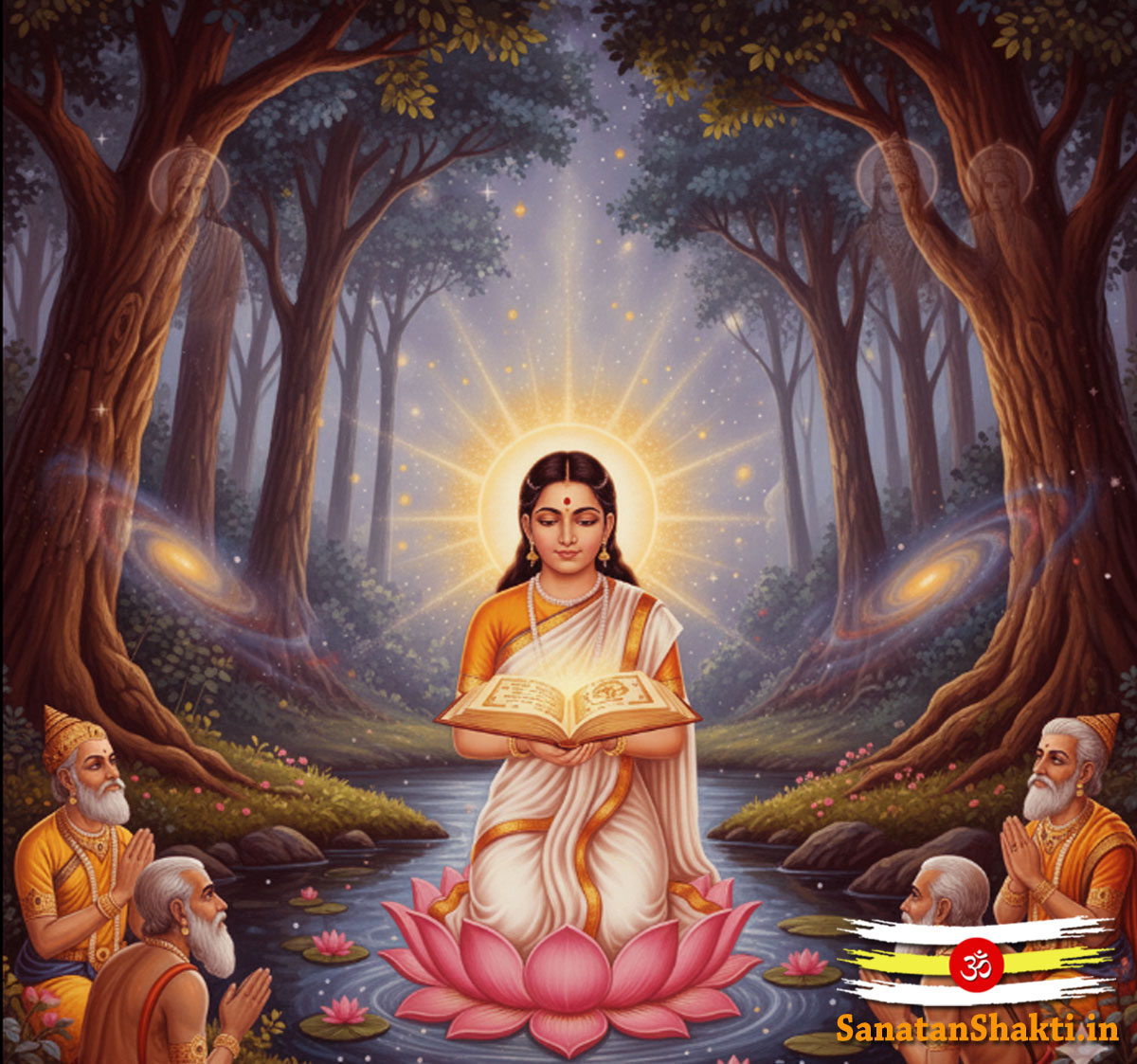
ऋग्वेद के दसवें मण्डल के 106वें सूक्त को ऋषिका जुहू नामक एक स्त्री है। एक ब्रह्मज्ञानी ऋषि की पत्नी होने के कारण यह ब्रह्मजाया कहलाती थीं। नर-नारियों में यह वैदिक कर्म-काण्ड का प्रचार करती थीं; इससे इन्हें जुहू पद प्राप्त हुआ था । इन्होंने जिस सूक्त का उपदेश किया है, उसका सार यह है कि भूतल पर मनुष्य-जाति एक महान् कौतुकशाली और ईश्वर की अद्भुत महिमा प्रकट करनेवाली है। जो मनुष्य जाति ईश्वर को मानती है वही किसी दिन ईश्वर को छोड़ बैठती है और धर्म-कर्म को भूल जाती है। जब-जब ऐसा समय आ पहुँचे तो देश-विदेश के बड़े-बड़े विद्वानों और पण्डितों को एकत्र होकर सब पक्षों की बातें सुनकर सच्चाई का निर्णय करना चाहिए। अब जरा सूक्त के शब्द देखिए:-
"जब-जब ब्रह्मवेत्ता पुरुषों मे किल्मिष अर्थात् कर्मत्याग-रूपी पाप पैदा हो तब-तब देश के प्रसिद्ध व खास-खास आदमी और आप्तजन तथा ज्ञान-विज्ञान में प्रसिद्ध विदुषी स्त्रियाँ एकत्र हो और इस बात का निर्णय करे कि वास्तव में क्या सच है और क्या झूठ।"
निर्णय करनेवाले कैसे होने चाहिए, इस विषय में यह कहती हैं:-"विद्या में निपुण, विचारशील, देश, काल व पात्र के ज्ञाता, दूरदर्शी, खूब अनुभवी, तटस्थ, धर्म-परायण, ईश्वर से डरनेवाले, फिर जो कूप-मण्डूक न हो, जल की नाईं ठण्डे और पीडित हृदय को शान्त करनेवाले, वायु की तरह सबका हाल जाननेवाले, खूब तेजस्वी, तपस्या से उग्र बने हुए यानी अन्याय के सख्त दुश्मन, 'और अपने विचारो से सुख पैदा करे, ऐसे गुणवान पुरुष और विदुषी देविया इकट्ठे होकर विचार करे।"
इस प्रकार जब वैदिक क्रियायें नष्ट होने लगें तब उनकी पुनः-स्थापना के लिए राजा को क्या-क्या करना चाहिए, इन सब बातों का अलङ्कारपूर्ण भाषा में जुहू ने वर्णन किया है।
***********
Juhu Brahmavadini - author of the 106th Sukta of the tenth chapter of the Rigveda and practitioner of rituals.
The 106th Sukta of the tenth chapter of the Rig Veda is about a woman named Rishika Juhu. She was called Brahmajaya because she was the wife of a Brahmagyani sage. She propagated Vedic rituals among men and women; This earned him the title of Juhu. The essence of the Sukta he preached is that humanity on earth is a great wonder and reveals the wondrous glory of God. The very human race that believes in God, one day abandons Him and forgets Dharma and Karma. Whenever such a time arrives, eminent scholars and pundits from India and abroad should gather together to hear all sides and decide the truth. Now consider the words of the Sukta:
"Whenever the sin of Kilmish, i.e., abandonment of duty, arises among men who know Brahma, then the renowned and important men of the country, the relatives, and learned women renowned in knowledge and science should gather and decide what is actually true and what is false."
Regarding how decision makers should be, it says: "Proficient in knowledge, thoughtful, knowledgeable of the place, time and character, far-sighted, very experienced, neutral, religious, God-fearing, not a frog in a well, cool as water and calming to the troubled heart, knowing everyone's condition like the wind, very bright, fierce through austerity, that is, a staunch enemy of injustice, and creating happiness through their thoughts, such virtuous men and learned ladies should gather and deliberate."
Thus, Juhu has described in flowery language what a king should do to re-establish Vedic practices when they begin to deteriorate.